Open-source Desktop · v0.1.0

Give your coding agent a design language it can trace.

Imprint observes what a website actually rendered, turns it into an evidence-backed DESIGN.md, and gives Codex, Claude Code, or another coding agent stable guidance instead of visual guesswork.

  • Runs locally
  • URL input only
  • No API key
Analysis ledgerObserved
01
Website URLhttps://astro.build/
3 pages · 3 viewports
rendered evidence
MD
Primary artifactDESIGN.md
Ready
observed tokens
03
DownstreamCodex / Claude Code / your agent
Website URLRendered evidenceDESIGN.mdYour coding agent

One complete, reproducible run

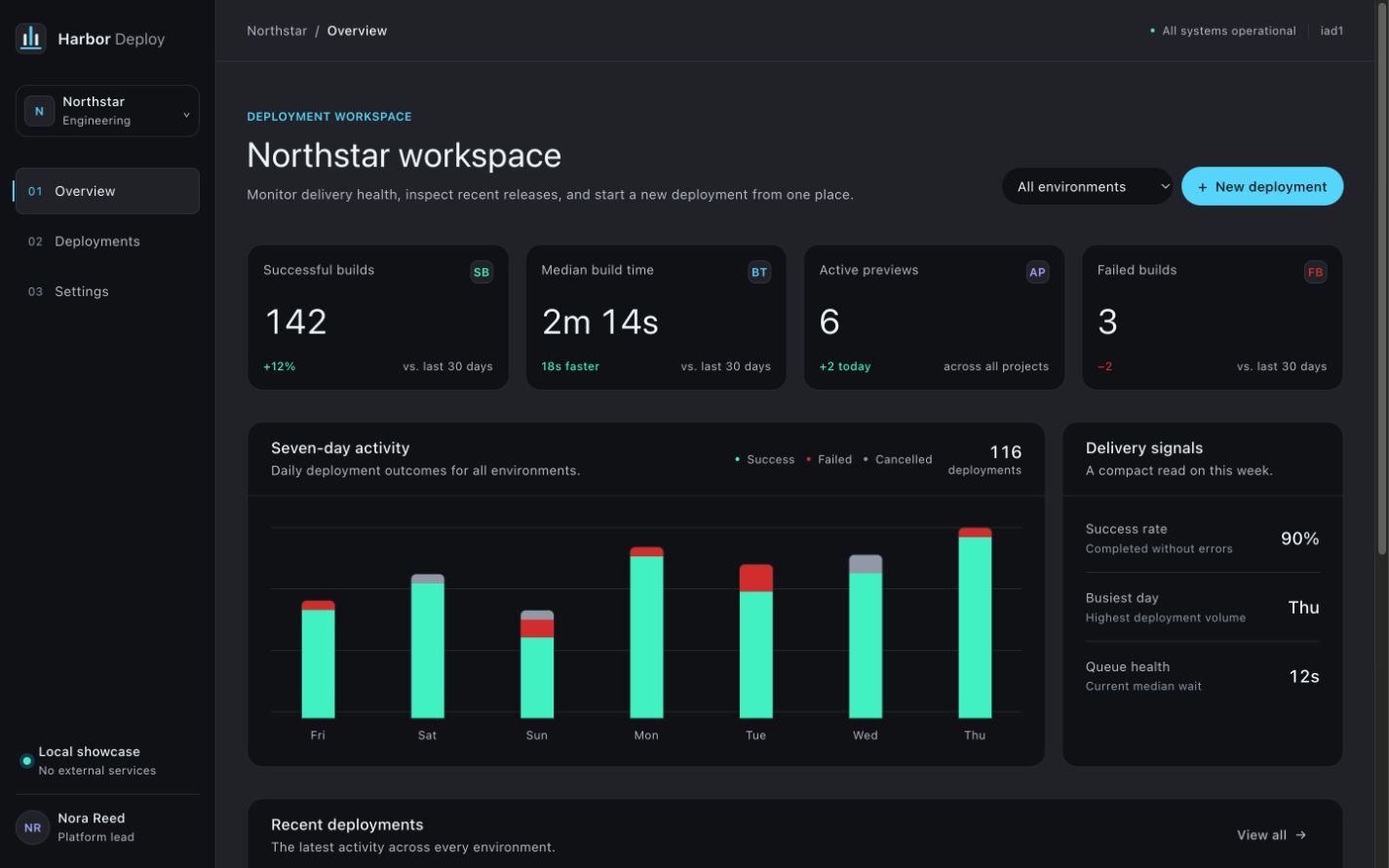
From Astro’s rendered pages to an original deployment console.

The recording joins a real Desktop analysis rerun to the verified public case. The wait is visibly compressed; the evidence, generated artifact, fixed task, and browser-checked result remain available for inspection.

Imprint Desktop42 seconds · real Desktop rerun · compressed wait clearly marked

Public case · Astro → Harbor Deploy

Not a redesign. A transfer test.

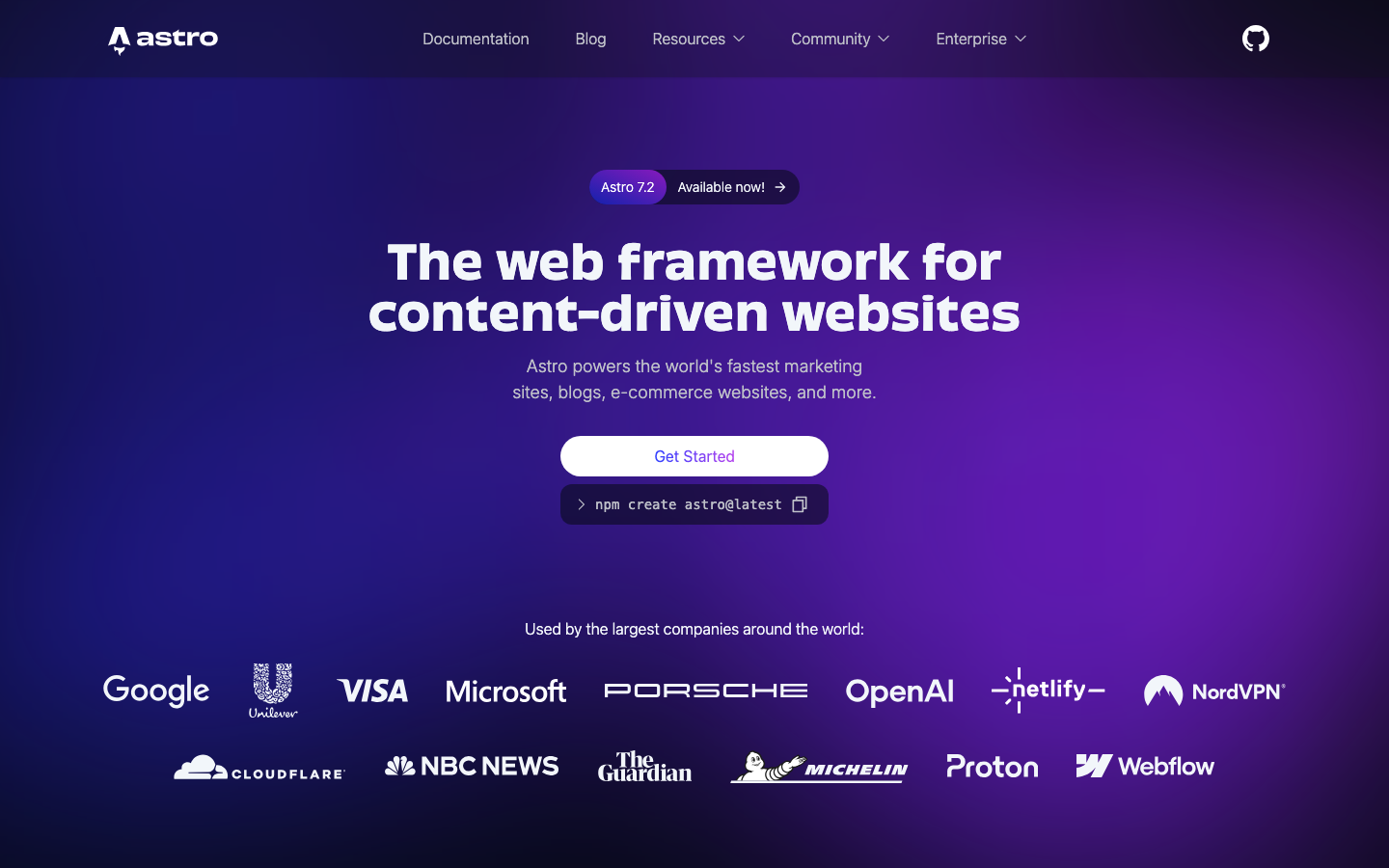
Imprint observed three Astro pages and generated DESIGN.md plus shared tokens. An external Codex run received those artifacts—but not the source screenshots—and built a neutral three-view deployment console.

3
pages analyzed
6
captures recorded
36.8s
recorded case run
3
result routes
Observed source evidence
Captured Astro homepage used as traceable source evidence
Independent agent result
Harbor Deploy overview generated by an external coding agent

How it works

The shortest path from URL to usable design context.

One local workflow keeps observation, evidence, exported rules, and downstream implementation responsibilities separate.

  1. 01

    Input · URL

    Enter a website URL

    Imprint loads the site in an installed Chrome, Edge, or compatible Chromium browser. Standalone screenshots are not analysis input.

  2. 02

    Source · Browser

    Observe the rendered system

    DOM structure, computed styles, representative pages, responsive viewports, safe states, and captured screenshots form traceable evidence.

  3. 03

    Output · Files

    Export the design context

    DESIGN.md records reusable rules, scope, confidence, coverage, and limitations. CSS Variables and Tailwind v4 @theme carry implementation values.

  4. 04

    Consumer · External

    Hand it to your agent

    Use the exported files with Codex, Claude Code, or another coding agent. The agent applies them to your product requirements and source.

Portable outputs

Use the document for decisions. Use tokens for implementation.

Desktop keeps the primary workflow intentionally small. Every artifact comes from the same observed analysis.

CSSImplementation

CSS Variables

Reusable values for color, typography, spacing, radius, shadow, and related foundations in a regular CSS project.

Load once in the global style entry
TWImplementation

Tailwind v4 @theme

The same extracted values expressed as a Tailwind v4 theme for projects that already use Tailwind’s token layer.

One shared theme across pages

Truthful boundaries

It reports what was observed—and what was not.

Imprint is a deterministic extraction and validation tool, not an AI design oracle. Clear boundaries make its output more useful downstream.

01

URL in, evidence out

Screenshots are captured from the loaded site as evidence; Imprint does not analyze standalone screenshot files.

02

Observed scope stays visible

Generated guidance covers only pages, viewports, and states successfully observed during that run.

03

AI remains downstream

Extraction needs no model provider or API key. Your external coding agent consumes the finished files afterward.

04

Desktop is the public release

CLI and local stdio MCP currently remain source-build previews, not advertised installable products.

Desktop v0.1.0

Download, choose a familiar website, and challenge the rules.

Analysis runs locally and keeps records on your device. An installed Chrome, Edge, or compatible Chromium browser is required.

A useful first test

Try a website you know. Find the least believable rule.

That is better feedback than a star count. Include the public URL, your platform, and the relevant DESIGN.md excerpt when you can.